
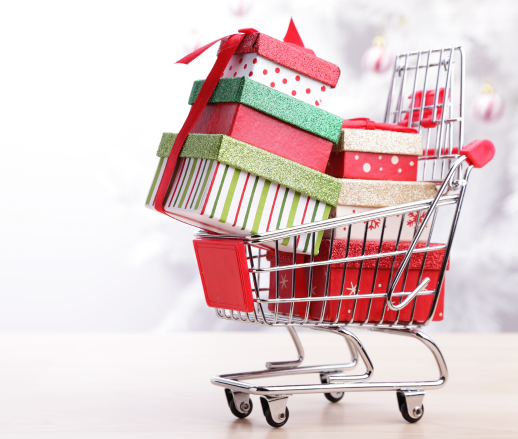
At Synovia Digital, we investigate emerging technologies and seasonal dynamics to keep up with an industry that moves fast. While these insights are grounded in 2024–2025 data, the holiday season is unpredictable — influenced by consumer moods, economic shifts, weather patterns, and cultural habits. Still, the trends give us a strong understanding of how supply chains probably behave during Christmas demand surges.
Christmas Demand Is Not One Spike — It’s Three Different Surges
Most people think Christmas demand is a single peak.
In reality, it’s a layered combination of three overlapping surges:
- Gifting Demand (toys, electronics, beauty, luxury)
- Holiday Meal & Grocery Demand (CPG staples, confectionery, beverages, fresh foods)
- Year-End Retail Momentum (promos, clearance, inflation-driven stock-ups)
Bain & Company’s 2024 retail analysis highlights that Q4 remains the most compressed and volatile period for both CPG and retail, with demand swings often exceeding forecasting norms.
Source: https://www.bain.com/insights/the-future-of-retail-2024
The result?
A supply chain pushed to its limits — moving faster, earlier, and with far less margin for error.
The “Christmas Effect” on CPG Supply Chains
Every industry feels Christmas, but CPG feels it first and hardest.
The seasonal impact includes:
- Earlier Production Ramps
- Increased SKU Velocity (especially beverages, snacks, seasonal flavors)
- Higher Safety Stock Requirements
- Retail Replenishment Pressure
- Shorter Reaction Windows
- More Unpredictable Promo Uplift
A 2025 Consumer Goods Forum review noted that demand volatility in December is often 20–40% higher than in regular months for FMCG categories.
And this volatility forces CPG teams to rethink forecasting, inventory, and production weeks before December even begins.
Why Christmas Forecasting Is So Hard
Even with great planning, December behaves differently.
Demand is influenced by:
- Weather Swings (cold = more hot drinks; heat = more beverages)
- Holiday Timing Variations (weekends vs weekdays)
- Retailer Promotions And Black Friday Hangover
- Cultural Traditions Across Countries
- Last-Minute Shopper Behavior
- Macro Factors (inflation, consumer confidence)
According to McKinsey’s 2024 State of Grocery report, short-term forecasting during peak seasons is the single biggest operational risk for food and CPG companies.
Source: https://www.mckinsey.com/industries/retail/our-insights/state-of-grocery-retail-2024
Christmas doesn’t just spike demand —
it scrambles predictability.
AI Helps Make Christmas Less Chaotic
Technology won’t eliminate seasonal chaos, but it helps companies handle it better.
AI improves December decision-making through:
- Faster Demand Signals
- Better Shelf-Availability Insights
- Promo-Driven Forecast Adjustments
- Real-Time Supply Chain Alerts
- Predictive Routing And Transportation Modeling
NVIDIA’s 2025 Retail & CPG study highlights shelf-availability prediction as a top emerging use case — critical during peak-season shopping when stockouts cost millions.
Source: https://www.nvidia.com/en-us/lp/industries/state-of-ai-in-retail-and-cpg
With AI, companies don’t just react —
they anticipate.
The Human Side of the Holiday Supply Chain
We often talk about systems, data, and forecasting —
but Christmas is powered by people.
Behind every full shelf, there are:
- Factory Teams Working Overtime
- Drivers Covering Extra Routes
- Planners Monitoring Demand Daily
- Retail Associates Replenishing Nonstop
- Analysts Making Rapid Adjustments
Christmas highlights something essential:
Technology helps.
But human coordination delivers the season.
Care to dive deeper? Get our latest insights straight to your inbox:
Final Thoughts
Christmas is the supply chain’s Olympics — a fast-paced, unpredictable, high-stakes performance where every decision matters.
With better forecasting, smarter replenishment tools, and real-time visibility, CPG and retail companies can navigate the surge more confidently each year.